
|
runaso.com |
Mobile Health Clinics in Canada: Improving Healthcare Access in Remote Communities
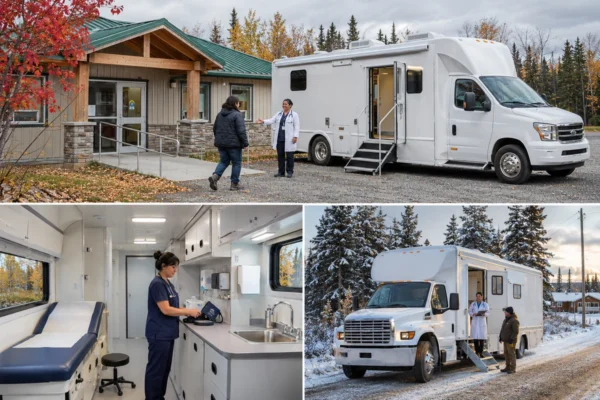
Access to healthcare remains a significant challenge for many rural, remote, and underserved communities across Canada. Long travel distances, limited healthcare infrastructure, workforce shortages, and difficult weather conditions can make routine medical appointments and preventive care harder to obtain.
Mobile health clinics offer a practical way to bring selected healthcare services closer to the people who need them. These purpose-built vehicles can support primary care, health screenings, vaccinations, chronic disease management, and other community health programs without requiring a permanent clinic at every location.
However, successful mobile healthcare depends on more than a well-equipped vehicle. Clinical staffing, accessibility, reliable utilities, patient privacy, infection prevention, and coordination with existing healthcare providers all play essential roles.
This guide explores how mobile health clinics operate in Canada, which services they can deliver, the technical features that matter most, and what healthcare organizations should consider before launching a mobile clinic program.
Why Healthcare Access Remains Challenging in Remote Canada
Canada’s geography creates unique challenges for healthcare delivery. While urban centres generally have larger networks of hospitals, specialists, diagnostic facilities, and primary care providers, rural and remote communities may have fewer local options.
For some residents, accessing a routine appointment means travelling considerable distances. In northern and isolated regions, seasonal roads, air transportation, severe weather, and limited public transit can make that journey especially difficult.
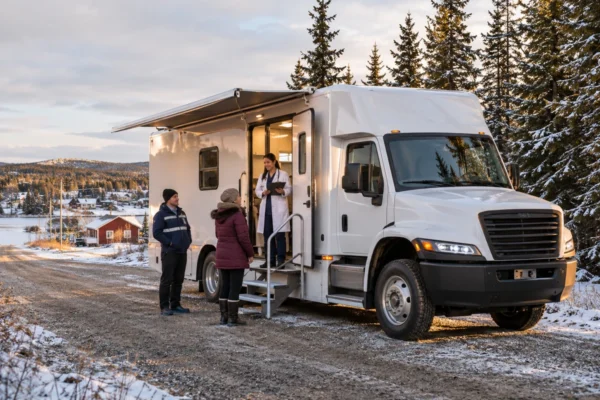
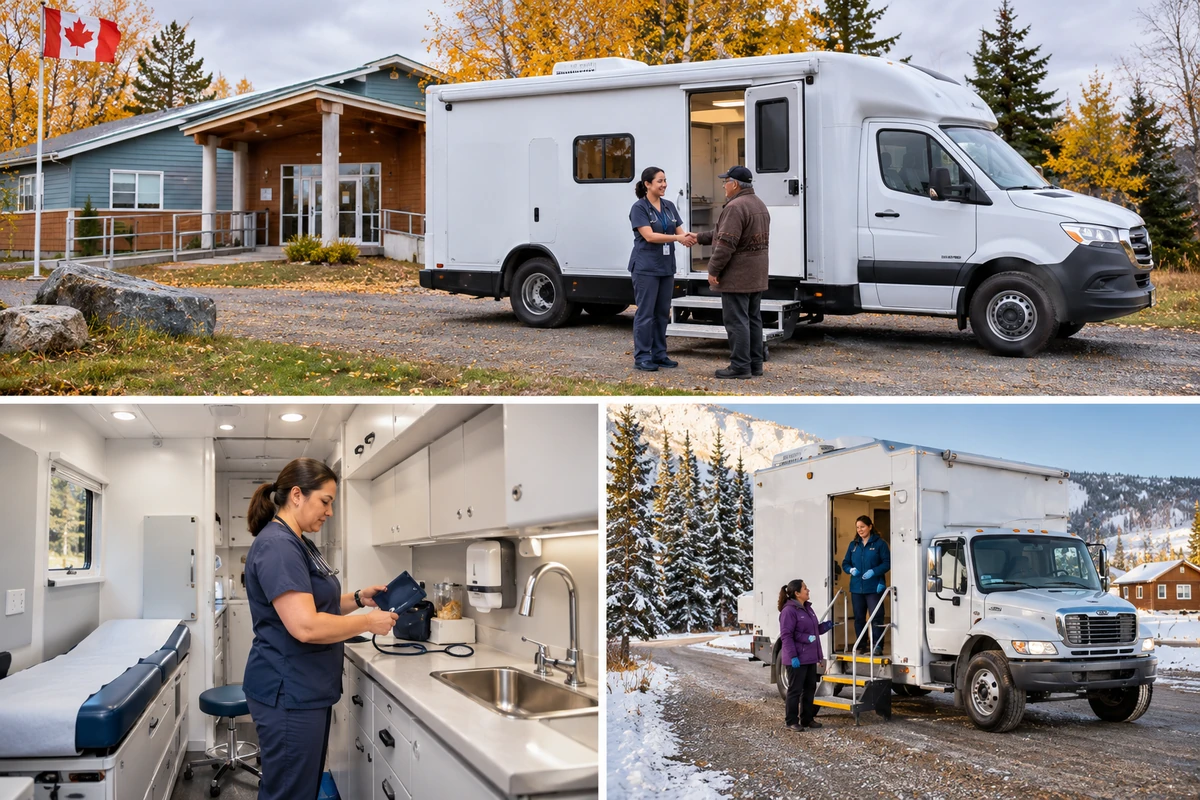
A winter-ready mobile clinic prepared for cold-weather deployment.
Distance and Transportation Barriers
Travelling to a medical facility can involve transportation expenses, time away from work, childcare arrangements, and overnight accommodation. These barriers may discourage patients from seeking preventive care or attending follow-up appointments.
Mobile healthcare programs can reduce some of these burdens by delivering appropriate clinical services within or near the communities they serve.
Healthcare Workforce Limitations
Many remote communities face difficulties recruiting and retaining healthcare professionals. A mobile clinic can help a regional healthcare team serve multiple locations on a planned schedule, although it cannot replace the need for permanent local healthcare capacity.
Weather and Seasonal Access
Snow, ice, extreme cold, wildfire conditions, flooding, and road closures can disrupt healthcare access. Mobile clinics must therefore be designed around realistic travel conditions, safe operating temperatures, and contingency plans.
Importantly, a road-based mobile clinic cannot reach every isolated community. Where road access is unavailable, fly-in healthcare teams, local nursing stations, telehealth, and other delivery models may be more appropriate.
What Is a Mobile Health Clinic?
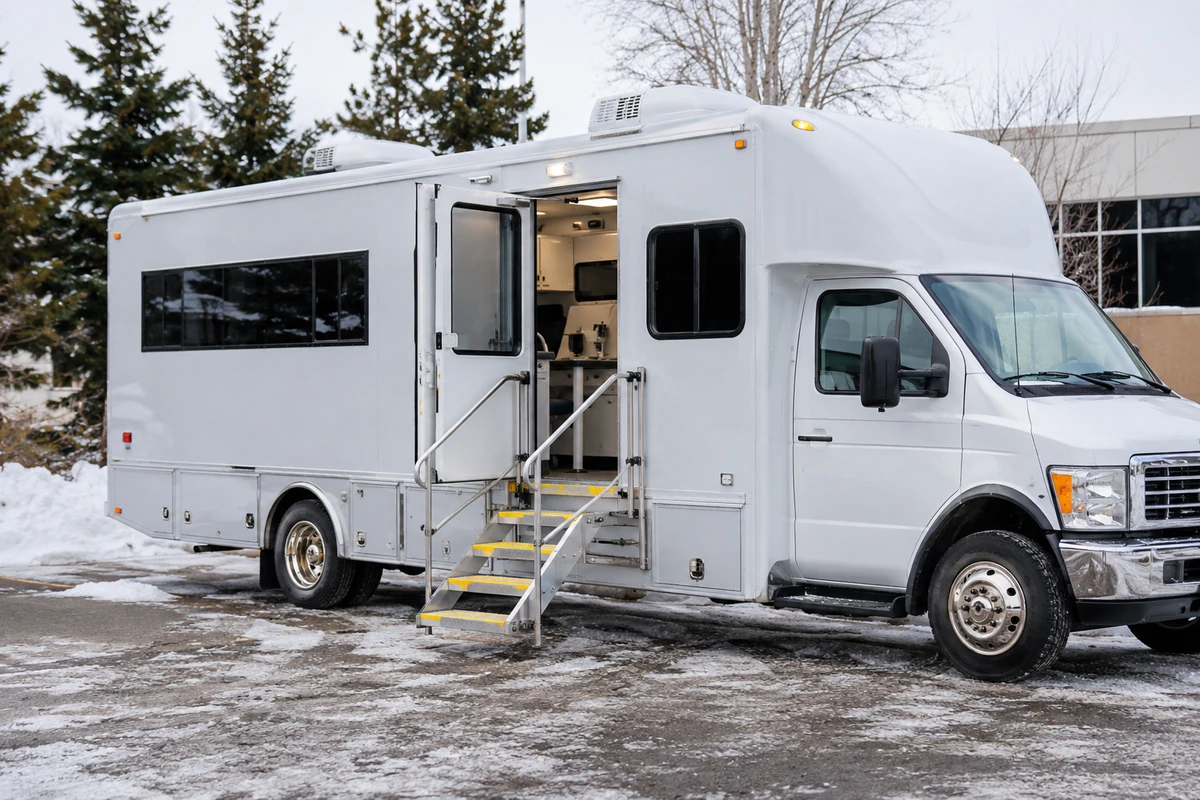
A mobile health clinic is a specially configured vehicle or trailer that provides healthcare services outside a conventional medical building. Depending on its clinical purpose, it may contain an examination room, diagnostic equipment, handwashing facilities, medical storage, accessible entry systems, and secure digital communication equipment.
Mobile clinics may be operated by public health authorities, hospitals, community organizations, Indigenous healthcare providers, nonprofit organizations, or private healthcare operators.
The vehicle is only one part of the service. A complete program also requires licensed healthcare professionals, clinical procedures, referral arrangements, medical supplies, scheduling, maintenance, and patient records management.
Common Mobile Clinic Configurations
- Mobile primary care clinics: Designed for consultations, basic assessments, chronic disease follow-up, and preventive care.
- Mobile vaccination clinics: Configured for immunization programs, vaccine storage, patient flow, and post-vaccination observation.
- Mobile diagnostic clinics: Equipped for selected point-of-care testing, ultrasound, or other diagnostic procedures.
- Mobile mental health clinics: Designed for confidential consultations, counselling, and coordinated behavioural healthcare.
- Mobile screening clinics: Used for targeted health assessments and population screening programs.
- Telemedicine-enabled clinics: Combine in-person clinical support with remote consultations when connectivity and clinical protocols permit.
Organizations exploring purpose-built vehicles can review mobile health clinic vehicle configurations to understand how layouts and equipment may be adapted to different healthcare services.
How Mobile Health Clinics Improve Healthcare Access
1. Bringing Primary Care Closer to Patients
A mobile clinic can visit communities according to a recurring schedule, allowing patients to receive selected medical services without travelling to a distant regional centre.
Depending on staffing and equipment, services may include:
- General medical consultations and health assessments
- Blood pressure and vital signs monitoring
- Diabetes screening and chronic disease follow-up
- Preventive health education
- Vaccinations and immunization counselling
- Selected point-of-care diagnostic tests
- Medication reviews and appropriate referrals
- Follow-up consultations after hospital discharge
The exact scope of care must match the qualifications of the clinical team, available equipment, applicable regulations, and arrangements for follow-up.
2. Supporting Earlier Detection and Preventive Care
Regular access to screening and health assessments can help identify potential problems before they become more serious. For example, mobile clinics may support hypertension screening, diabetes monitoring, and preventive health programs.
These services are most effective when patients can receive test results, appropriate treatment, referrals, and continuing care after the mobile clinic leaves.
3. Expanding Access to Specialist Advice
Telemedicine-enabled clinics can connect patients and on-site clinicians with specialists in other locations.
A healthcare professional may perform a physical assessment, collect vital signs, and facilitate a secure video consultation. This hybrid model can be valuable when a specialist’s advice is needed but an in-person visit is not immediately necessary.
However, telemedicine depends on suitable connectivity, privacy safeguards, clinical appropriateness, and a reliable escalation pathway when in-person care is required.
4. Improving Community-Based Healthcare Delivery
Mobile clinics can be scheduled around community needs rather than expecting every patient to travel to a centralized facility.
Successful programs work with local healthcare providers, community leaders, and residents to identify priority services, appropriate locations, language needs, and convenient operating hours.
Real-World Mobile Healthcare Programs in Canada
Mobile healthcare is already being used in different parts of Canada. Programs vary significantly in their clinical services, target populations, funding models, and operational structures.
Newfoundland and Labrador: Mobile Primary Care
In July 2023, the Government of Newfoundland and Labrador announced mobile health clinics intended to improve access to non-urgent primary care for people who could not readily access a family doctor or nurse practitioner.
The planned model involved healthcare professionals travelling in custom-designed vehicles to provide assessments, chronic disease education, and referrals.
Source: Government of Newfoundland and Labrador.
Nova Scotia: Public Health Mobile Units
Nova Scotia Health operates Public Health Mobile Units that travel to communities in specially equipped vehicles. Services include vaccination, testing, and helping residents connect with appropriate healthcare resources.
The program also supports public health responses during emergencies, including severe weather events and communicable disease situations.
Source: Nova Scotia Health.
Alberta: Community-Led Healthcare Access
In September 2026, Primary Care Alberta announced the Wâhkôhtowin Mobile Health Clinic for the Kikino and Buffalo Lake Métis Settlements.
The initiative was developed through collaboration with Métis community representatives and healthcare partners, with the goal of providing culturally grounded, non-emergency primary healthcare closer to home.
Source: Primary Care Alberta.
These examples illustrate an important principle: mobile healthcare programs are more effective when vehicle design, staffing, service delivery, and community partnerships are developed together.
Essential Technical Features of a Mobile Health Clinic
A mobile medical vehicle must function as both a roadworthy vehicle and a safe clinical workspace. The technical design should begin with the intended medical services rather than a generic vehicle layout.
Clinical Layout and Patient Flow
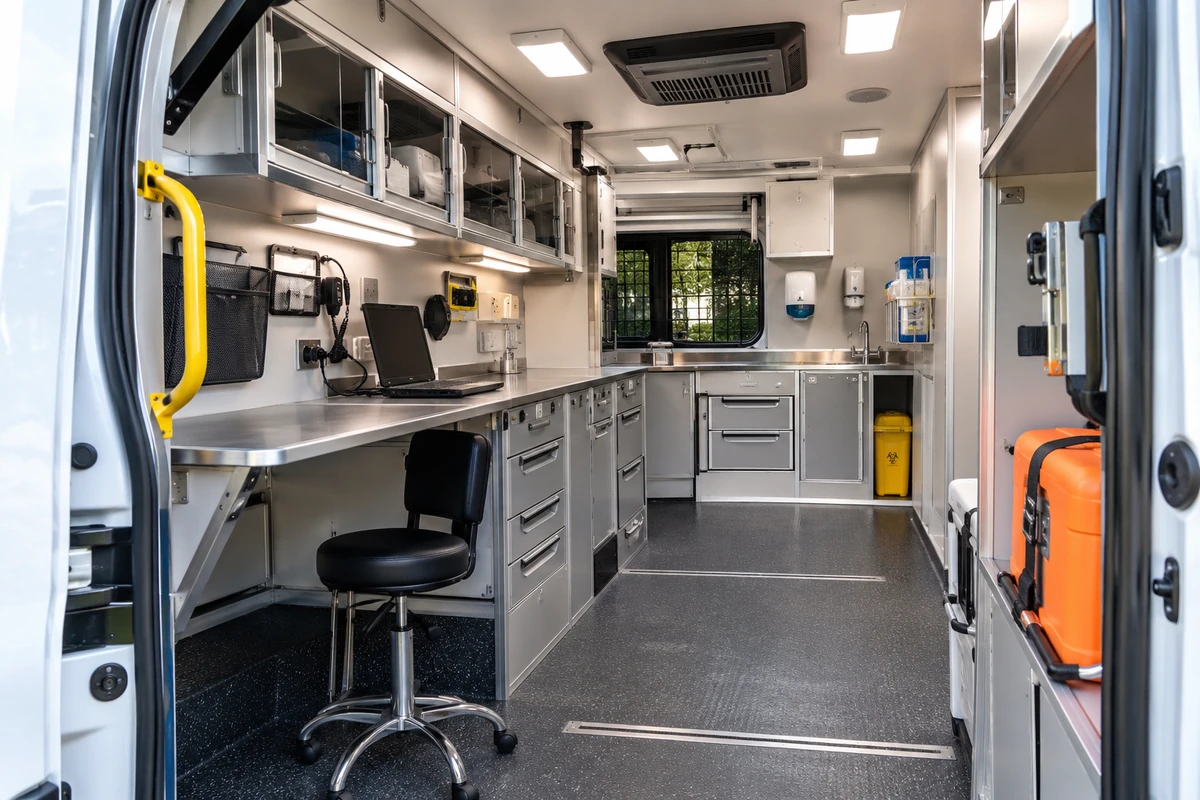
Interior design should provide adequate space for examinations, staff movement, equipment access, and patient privacy.
Depending on the clinical program, the layout may require:
- A private consultation or examination area
- Secure storage for clinical supplies
- Hand hygiene facilities
- Cleanable, healthcare-appropriate interior surfaces
- Separated clean and contaminated material handling
- Accessible patient entry and circulation
- Appropriate lighting and ventilation
- Safe equipment mounting and restraint systems
Reliable electrical and HVAC infrastructure supports mobile clinical operations.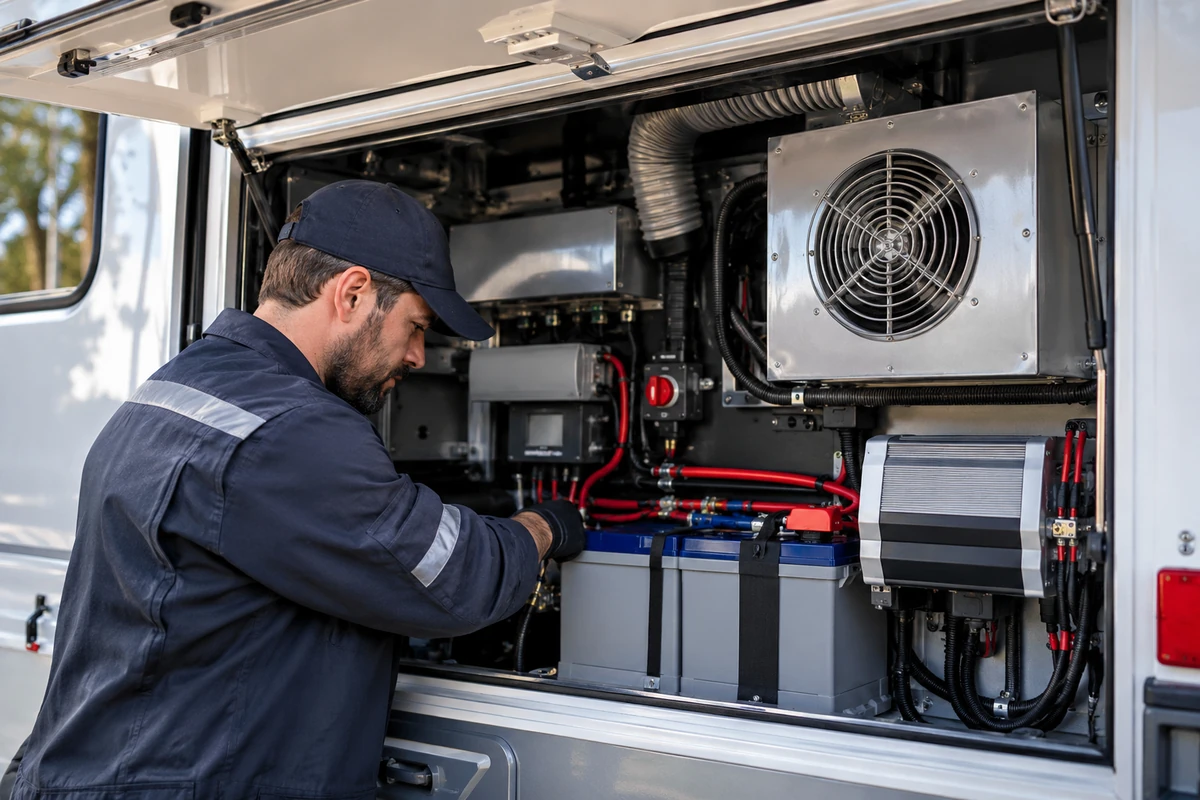
Reliable Electrical Power
Medical equipment, refrigeration, lighting, computers, and environmental controls require dependable electricity.
Potential power sources include shore power, onboard batteries, generators, and solar systems. The correct combination depends on the operating schedule and calculated electrical loads.
Critical devices may require dedicated backup power, voltage protection, and documented shutdown procedures.
Heating, Cooling, and Ventilation
Environmental control is particularly important in Canadian operations. The HVAC system must be sized for the vehicle’s thermal loads, occupancy, equipment heat output, and expected outdoor temperatures.
Cold-weather design may include:
- Insulated walls, floors, and ceilings
- Cold-weather-capable heating systems
- Protection for plumbing and water storage
- Condensation and moisture management
- Ventilation appropriate to clinical activities
- Temperature monitoring for sensitive supplies
Specialized procedures may require additional ventilation or infection-control measures. These requirements should be determined by qualified healthcare and engineering professionals.
Accessibility and Inclusive Design
Accessible entry is essential when a clinic serves patients with mobility limitations.
Depending on the vehicle and intended users, accessibility features may include a properly rated wheelchair lift, accessible circulation space, handrails, nonslip flooring, and examination equipment suitable for patients with different physical needs.
Accessibility requirements should be checked against the applicable provincial or territorial rules and relevant standards. A vehicle should not be assumed accessible merely because it has a lift.
Medical Equipment and Secure Storage
Equipment selection should reflect the clinical scope, maintenance requirements, available power, weight limits, and transportation conditions.
All equipment must be secured against movement during travel. Temperature-sensitive medications and vaccines require suitable storage, monitoring, and contingency procedures.
Connectivity and Patient Data Security
Mobile clinics may use cellular, satellite, or other network connections for electronic medical records and telehealth.
Security planning should include encrypted communications, role-based access, device management, secure backups, and procedures for connectivity interruptions.
Privacy requirements vary by jurisdiction and operator. For example, Ontario’s Personal Health Information Protection Act (PHIPA) is not a universal privacy law for every mobile clinic operating in Canada.
Choosing the Right Mobile Clinic Vehicle
The best platform depends on patient volume, medical services, operating terrain, accessibility requirements, and available infrastructure.
| Vehicle Type | Typical Advantages | Important Limitations |
|---|---|---|
| Medical van | Compact, manoeuvrable, suitable for basic consultations and outreach | Limited examination space and storage capacity |
| Box truck clinic | More interior workspace and equipment capacity | Greater parking, weight, and manoeuvring requirements |
| Medical trailer | Flexible stationary deployment and potentially larger clinical layouts | Requires suitable towing, setup, and parking arrangements |
| Specialized all-terrain platform | Potentially better access on selected challenging routes | Higher complexity, maintenance demands, and possible road-use restrictions |
Vehicle selection should account for the fully loaded weight, axle ratings, driver licensing, operating range, service availability, and the condition of the roads the clinic will actually use.
Planning a Mobile Health Clinic Program
Buying or converting a vehicle is only one step. Healthcare organizations should develop an operational plan before finalizing the design.
Step 1: Assess Community Healthcare Needs
Identify which services are difficult to access, who is most affected, and what existing healthcare resources are available.
Consult community representatives, local healthcare professionals, and potential patients. Avoid assuming that the same clinic configuration will suit every community.
Step 2: Define the Clinical Scope
Specify the procedures, consultations, diagnostic services, and referral pathways the clinic will support.
This determines staffing requirements, examination space, medical equipment, infection prevention measures, and utility needs.
Step 3: Evaluate Routes and Deployment Sites
Assess road conditions, seasonal restrictions, travel distances, parking, patient access, communications coverage, and availability of electrical or water connections.
Establish alternative arrangements for cancelled visits and transportation disruptions.
Step 4: Develop the Vehicle Specification
Translate clinical requirements into measurable engineering and procurement specifications.
These should address vehicle dimensions, weight, electrical capacity, HVAC performance, accessibility, equipment installation, sanitation, storage, connectivity, and maintainability.
Step 5: Confirm Regulatory Requirements
Before procurement, determine which provincial, territorial, federal, and local requirements apply.
Depending on the program, these may include:
- Healthcare professional licensing and scope of practice
- Vehicle registration, commercial operation, and inspection
- Medical device licensing and safe use
- Infection prevention and medical waste management
- Accessibility requirements
- Personal health information privacy and cybersecurity
- Medication storage, handling, and dispensing
- Radiation safety or laboratory requirements for specialized services
Requirements vary according to jurisdiction, ownership, clinical activities, and vehicle configuration. Compliance should be verified with the relevant authorities rather than relying on a single generic certification claim.
Step 6: Establish Staffing and Continuity of Care
Define clinical roles, appointment scheduling, emergency escalation, patient documentation, laboratory result management, and referral follow-up.
A mobile clinic should be integrated with existing healthcare services wherever possible, rather than operating as an isolated point of care.
Step 7: Test Before Deployment
Commissioning should include electrical load testing, HVAC performance verification, accessibility equipment testing, water-system checks, medical equipment inspections, staff training, and realistic deployment exercises.
Operating Costs and Long-Term Sustainability
The total cost of a mobile healthcare program extends well beyond the initial purchase price of the vehicle.
Organizations should budget for:
- Vehicle purchase or conversion
- Medical equipment and installation
- Clinical and administrative staffing
- Fuel, transportation, and accommodation
- Insurance and licensing
- Equipment calibration and maintenance
- Connectivity and software
- Medical consumables and waste disposal
- Cleaning and infection prevention
- Repairs, replacement components, and contingency funds
Financial comparisons should consider the expected number of clinical sessions, patients served, service mix, travel distances, and alternative healthcare delivery options.
A lower vehicle purchase price does not necessarily result in a lower total operating cost if the configuration creates maintenance difficulties, inefficient workflows, or frequent service interruptions.
Measuring the Success of Mobile Healthcare Programs
Organizations should establish performance measures before launching a clinic.
| Performance Area | Suggested Measures |
|---|---|
| Healthcare access | Patients served, communities visited, appointment availability |
| Continuity of care | Completed referrals, follow-up appointments, results communicated |
| Operational reliability | Cancelled clinic days, equipment downtime, schedule adherence |
| Patient experience | Accessibility feedback, patient satisfaction, culturally appropriate service |
| Financial performance | Operating cost per session, utilization, maintenance costs |
Patient volume alone is not enough to establish success. A program that delivers fewer appointments but reaches patients who otherwise lack practical access to care may provide substantial community value.
Challenges and Limitations of Mobile Health Clinics
Mobile clinics offer meaningful benefits, but they are not a complete replacement for permanent healthcare infrastructure.
Limited Clinical Space
Small vehicle interiors restrict the number of staff, patients, and procedures that can be accommodated simultaneously.
Weather-Related Disruptions
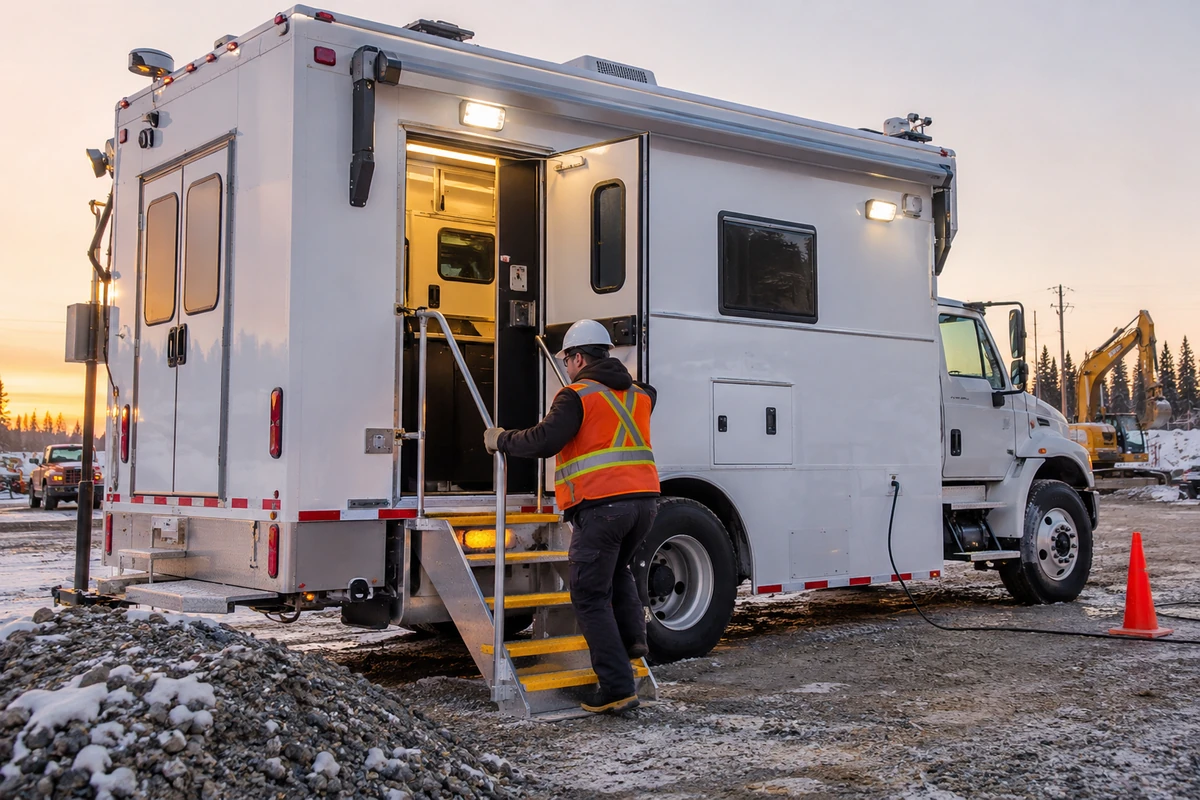
Winter storms, road closures, flooding, and wildfire conditions can prevent scheduled visits.
Connectivity Gaps
Some remote areas lack reliable broadband or cellular coverage. Offline documentation procedures and secure data synchronization may be necessary.
Maintenance Requirements
Vehicle systems and medical equipment require different inspection and maintenance schedules. Failures in either can interrupt clinical services.
Follow-Up and Referral Capacity
Screening without reliable follow-up may have limited value. Mobile healthcare programs must connect patients to continuing care, diagnostic services, and specialist treatment when needed.
The Future of Mobile Healthcare in Canada
Mobile healthcare is likely to remain an important complement to fixed healthcare facilities, particularly where geography, transportation barriers, and service availability make conventional access difficult.
Potential developments include more integrated telehealth, improved energy systems, better remote equipment monitoring, modular clinic interiors, and stronger connections between mobile teams and regional healthcare networks.
Technology alone will not determine success. Community engagement, appropriate clinical staffing, stable funding, reliable follow-up, and realistic operational planning will remain essential.
For organizations evaluating a new program, the central question is not simply which vehicle to purchase. It is how to design a dependable healthcare service that can reach the intended patients safely and consistently.
Frequently Asked Questions
Q1: What services can mobile health clinics provide in Canada?
Mobile health clinics can provide primary care consultations, preventive screenings, vaccinations, chronic disease monitoring, basic diagnostic testing, mental health support, and telemedicine consultations. Available services depend on clinical staffing, equipment, licensing, and the program's intended purpose.
Q2: How do mobile health clinics help remote Canadian communities?
Mobile clinics bring selected healthcare services closer to patients, reducing the need for long-distance travel. They can improve access to routine assessments, preventive care, and follow-up services, particularly when integrated with local healthcare providers and community organizations.
Q3: Can mobile health clinics operate during Canadian winters?
Yes. Properly designed mobile clinics can operate in cold weather when equipped with suitable insulation, heating, protected plumbing, reliable electrical systems, and winter-ready vehicle components. Actual operating limits depend on the vehicle specification, road conditions, and safety procedures.
Q4: Are mobile health clinics required to meet Canadian healthcare regulations?
Yes. Applicable requirements may include healthcare professional licensing, vehicle safety, medical equipment standards, patient privacy, accessibility, infection prevention, and medication handling. Requirements vary across provinces and territories and depend on the services delivered.
Q5: What is the difference between a mobile health clinic and a mobile hospital?
A mobile health clinic generally provides selected outpatient services, such as consultations, screenings, and basic diagnostics. A mobile hospital may be configured for more extensive medical operations, potentially including emergency treatment, advanced procedures, or additional clinical capacity. The distinction depends on the actual facility and its capabilities.
Q6: What should organizations consider before purchasing a mobile health clinic?
Organizations should evaluate community healthcare needs, clinical services, patient accessibility, staffing, vehicle size, equipment requirements, climate conditions, operating costs, maintenance, and regulatory compliance. Planning the healthcare service before selecting the vehicle helps avoid expensive design compromises.
Final Thoughts
Mobile health clinics can play an important role in improving healthcare access across Canada’s rural, remote, and underserved communities. By bringing appropriate medical services closer to patients, these facilities can reduce transportation barriers, support preventive care, and strengthen connections with regional healthcare systems.
However, the effectiveness of a mobile clinic depends on much more than the vehicle itself. Reliable engineering, qualified healthcare professionals, community involvement, accessible design, regulatory compliance, and continuity of care are all essential to successful operations.
For healthcare organizations planning a mobile clinic program, selecting a vehicle that matches real clinical and operational needs is an important early decision. Companies such as RUNASO, which develops specialized mobile solutions, can help organizations explore purpose-built mobile health clinic vehicles suited to their intended services.
Ultimately, the goal is not simply to put a clinic on wheels. It is to build a dependable healthcare delivery system that reaches people who might otherwise struggle to access essential medical care.
© RUNASO · Generated on 2026/11/13