


Mobile Clinic Maintenance Checklist: How to Keep Your Medical Vehicle Ready for Service
folder_openUncategorized
commentNo Comments
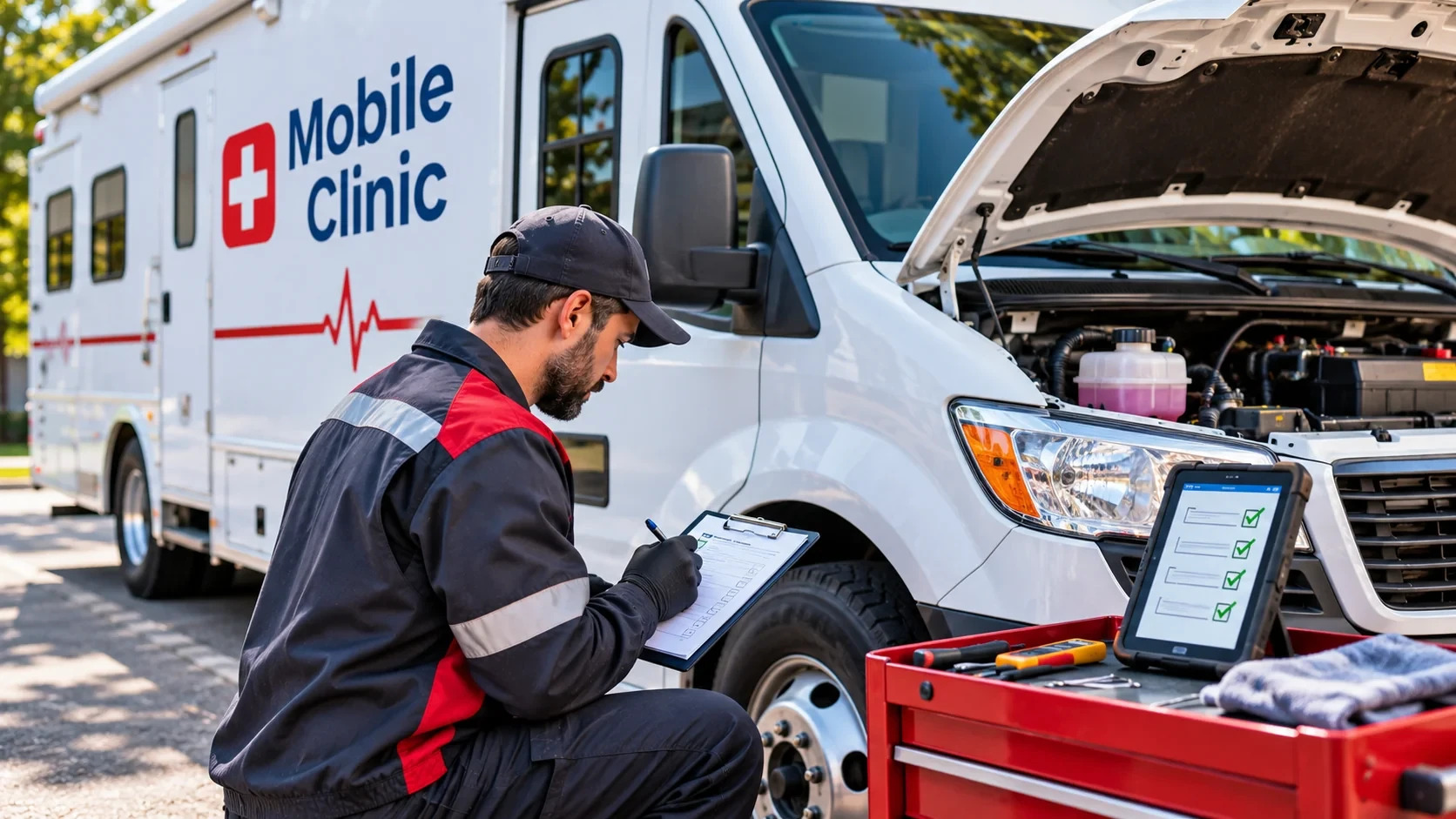
A reliable mobile clinic requires more than medical equipment and a well-designed interior. Discover the essential maintenance checks, preventive care strategies, and operational practices that help keep mobile medical vehicles safe, efficient, and ready to serve patients.
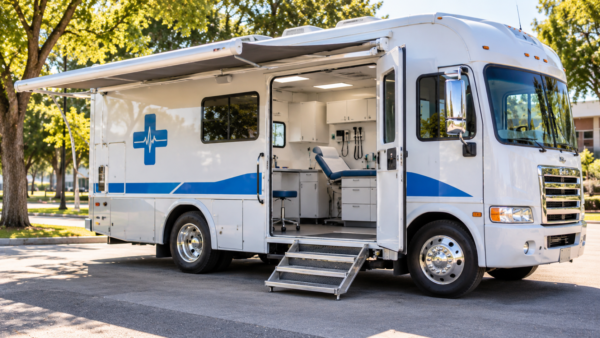
A mobile clinic is more than a vehicle that transports healthcare professionals and medical equipment. It is a fully functioning healthcare environment designed to deliver essential services wherever patients need them. Keeping that environment reliable requires consistent inspections, preventive maintenance, and careful attention to both automotive and medical systems.
Whether your organization operates a mobile primary care unit, vaccination vehicle, telemedicine clinic, or specialized medical trailer, a structured mobile clinic maintenance checklist can help reduce unexpected breakdowns, protect valuable equipment, and support uninterrupted patient care.
In this guide, we explore the most important maintenance areas, recommended inspection routines, common warning signs, and practical strategies for extending the operational life of your mobile medical vehicle.
Why Mobile Clinic Maintenance Matters
Unlike conventional vehicles, mobile clinics combine transportation systems with specialized healthcare infrastructure. Their daily operation depends on multiple interconnected components, including electrical distribution, climate control, plumbing, medical equipment, and communication technology.
A problem with one system can affect the entire clinical operation. For example, an electrical failure may interrupt diagnostic equipment, while inadequate air conditioning can compromise patient comfort or temperature-sensitive medical supplies.
Implementing a preventive maintenance program for mobile clinics offers several important benefits:
- Improved operational reliability: Regular inspections help identify developing problems before they interrupt scheduled services.
- Enhanced patient and staff safety: Properly maintained equipment and infrastructure support a safer clinical environment.
- Reduced unexpected repair costs: Early intervention can prevent minor defects from becoming expensive failures.
- Longer vehicle service life: Consistent care helps protect the chassis, body, interior systems, and specialized components.
- Better service continuity: Reliable vehicles allow healthcare teams to maintain appointments and outreach schedules.
1. Inspect the Vehicle’s Mechanical Systems
The vehicle itself is the foundation of every mobile healthcare operation. Even a perfectly equipped medical interior cannot serve patients if the vehicle cannot reach its destination safely.
Engine and Fluid Checks
Follow the chassis manufacturer’s maintenance schedule and inspect engine oil, coolant, transmission fluid where applicable, and other essential fluids. Unusual fluid consumption, visible leaks, or warning lights should be investigated promptly.
For vehicles that travel frequently between remote locations, mechanical inspections are particularly important because roadside assistance may not always be readily available.
Tires, Brakes, and Suspension
Mobile medical vehicles often carry additional weight from examination equipment, cabinetry, water tanks, batteries, and other installed systems. This makes proper load management and tire maintenance essential.
Important inspection points include:
- Tire pressure, tread condition, and visible damage.
- Brake performance and unusual noises.
- Suspension components and signs of excessive wear.
- Steering response and wheel alignment.
- Vehicle weight distribution and applicable load limits.
Maintenance tip: Always account for the vehicle’s fully loaded operating weight, including personnel, equipment, supplies, fuel, and water.
2. Maintain the Electrical and Backup Power Systems
Electrical reliability is one of the most critical aspects of mobile clinic maintenance. Medical vehicles may depend on shore power, onboard generators, batteries, inverters, or a combination of these systems.
Inspect Power Distribution Components
Qualified personnel should periodically inspect electrical panels, wiring, protective devices, outlets, and connections according to the vehicle’s design and applicable electrical requirements.
Look for warning signs such as intermittent power, damaged connectors, unusual odors, or unexplained circuit interruptions.
Test Backup Power Availability
Backup systems should be tested according to the equipment manufacturer’s recommendations and the clinic’s operational requirements.
Depending on the vehicle configuration, maintenance may include:
- Checking battery condition and charging performance.
- Testing generator operation and scheduled servicing.
- Inspecting inverter and charging equipment.
- Verifying approved power-transfer procedures.
- Confirming that critical equipment receives suitable power.
Important: Backup power capacity should be evaluated against actual equipment demand and required operating duration. Not every mobile clinic has the same electrical requirements.
3. Check Heating, Ventilation, and Air Conditioning
A reliable HVAC system contributes to a comfortable working environment for healthcare professionals and patients. Depending on the medical services provided, temperature and ventilation performance may also affect equipment operation and clinical requirements.
Routine HVAC maintenance should include inspecting filters, checking airflow, monitoring unusual noises, and arranging professional servicing when required.
Consider Seasonal Operating Conditions
Mobile clinics may operate in environments ranging from hot summer conditions to freezing winter temperatures. Climate control systems should be evaluated for the locations and seasons in which the vehicle will be deployed.
For clinics operating in cold regions, additional attention may be necessary for insulation, heating reliability, water-system protection, and condensation management.
Organizations using temperature-sensitive medical products must also maintain appropriate storage equipment and monitoring procedures independently of general cabin comfort.
4. Inspect Plumbing and Water Systems
Many mobile medical clinics include handwashing sinks, fresh-water storage, wastewater tanks, pumps, and related plumbing components.
These systems require maintenance to support hygiene, prevent leaks, and reduce the risk of water damage inside the vehicle.
A practical plumbing inspection should cover:
- Fresh-water tank condition and approved sanitation procedures.
- Water pump performance and unusual operating sounds.
- Visible leaks around fittings, sinks, and connections.
- Wastewater tank levels and proper disposal arrangements.
- Drainage performance and unwanted odors.
- Protection against freezing where applicable.
Water-system maintenance procedures should reflect the intended use of the water, manufacturer guidance, and applicable public health requirements.
5. Maintain Medical Equipment and Clinical Workstations
Medical equipment is central to the purpose of a mobile clinic. Examination devices, diagnostic instruments, patient monitors, and other clinical technologies must remain functional and properly maintained.
Each device should follow its manufacturer’s instructions for inspection, calibration, preventive maintenance, cleaning, and servicing.
Secure Equipment Before Transportation
Unlike equipment in a stationary healthcare facility, devices inside a mobile clinic may experience vibration, braking forces, and movement during travel.
Before departure, staff should verify that:
- Medical devices are secured using appropriate restraints or mounting systems.
- Cabinet doors and drawers are properly latched.
- Portable equipment is stored safely.
- Power cables and accessories are protected from damage.
- Emergency access routes remain unobstructed.
Proper equipment integration during the original vehicle design can simplify these daily checks and reduce transportation-related damage.
6. Keep the Interior Clean and Inspection-Ready
A mobile clinic must support infection prevention practices just like other healthcare environments.
Cleaning procedures should reflect the services provided, patient population, and applicable infection prevention guidance.
Frequently touched surfaces, examination areas, workstations, handles, and reusable noncritical equipment should be cleaned and disinfected as appropriate using compatible products and approved procedures.
Inspect Interior Materials and Fixtures
In addition to routine cleaning, inspect flooring, wall panels, countertops, cabinetry, and seating for signs of deterioration.
Cracked surfaces, damaged seals, moisture intrusion, and loose fixtures may create cleaning difficulties or operational hazards.
Best practice: Maintain documented cleaning procedures, assign responsibilities, and follow the required contact times and compatibility instructions for disinfectants.
7. Test Communication and Connectivity Systems
Modern mobile healthcare operations frequently rely on digital connectivity for appointment management, electronic health records, telemedicine consultations, and communication with central facilities.
Before deployment, verify that the clinic’s communication systems operate as expected.
Depending on the vehicle, this may involve checking:
- Cellular or satellite internet connections.
- Routers and internal networking equipment.
- Telemedicine cameras and audio devices.
- Computers and approved clinical software.
- Secure access to patient information systems.
- Alternative communication procedures during network outages.
Healthcare organizations should also maintain appropriate cybersecurity practices, including access controls, software updates, and secure handling of patient data.
8. Inspect Safety and Emergency Equipment
Safety systems should be included in every mobile medical vehicle inspection routine.
Depending on the vehicle configuration and applicable requirements, important checks may include fire extinguishers, emergency lighting, exit mechanisms, smoke or carbon monoxide detection, first aid supplies, and accessibility equipment.
Staff should know how to respond to equipment failures, electrical incidents, medical emergencies, and situations requiring evacuation.
Emergency exits and access routes must remain clear, and safety equipment should be inspected or serviced according to the applicable requirements and manufacturer instructions.
Mobile Clinic Maintenance Schedule: Daily, Monthly, and Annual Checks
A consistent maintenance schedule helps healthcare organizations manage responsibilities and avoid overlooked problems. The following example provides a practical starting point. Actual inspection intervals must follow vehicle and equipment manufacturer instructions, operating conditions, and regulatory requirements.
Daily or Before Each Deployment
- Complete a vehicle walkaround and check visible tire condition.
- Review dashboard warnings and obvious fluid leaks.
- Confirm essential electrical systems are operational.
- Check HVAC performance and required storage temperatures.
- Secure medical equipment, cabinets, and supplies.
- Verify water availability and wastewater capacity where applicable.
- Confirm required cleaning and disinfection procedures are complete.
- Check essential communication and emergency equipment.
Monthly or at a Defined Operating Interval
- Review generator and battery maintenance records.
- Inspect accessible plumbing components for leaks.
- Examine interior fixtures and equipment restraints.
- Review HVAC filter condition and servicing needs.
- Test backup systems according to approved procedures.
- Review maintenance logs and unresolved defects.
Annual and Manufacturer-Scheduled Maintenance
- Complete required chassis and mechanical servicing.
- Arrange professional electrical and power-system inspections as applicable.
- Service HVAC and generator systems according to manufacturer schedules.
- Review medical equipment calibration and service records.
- Inspect the vehicle body, roof, seals, and potential moisture intrusion.
- Review safety equipment, staff training, and applicable compliance requirements.
Common Signs Your Mobile Clinic Needs Professional Attention
Preventive maintenance is important, but operators should also recognize early warning signs of developing problems.
Examples include recurring electrical interruptions, difficulty maintaining interior temperature, unexplained water loss, persistent odors, loose equipment mounts, excessive vibration, or repeated mechanical warning indicators.
These symptoms should be documented and assessed promptly. Potentially unsafe equipment or systems should be taken out of service until appropriately evaluated.
Addressing problems early can help avoid disruptions to clinical schedules and more extensive repairs.
How Proper Vehicle Design Makes Maintenance Easier
Maintenance efficiency begins long before a mobile clinic enters service. The original vehicle design influences how easily technicians can inspect, access, repair, and replace important components.
Thoughtful design considerations include accessible service panels, organized electrical distribution, suitable equipment mounting, protected plumbing connections, and practical interior layouts.
For healthcare organizations planning a new vehicle, considering long-term maintenance requirements during the design phase can help reduce operational challenges later.
A well-designed mobile clinic should balance clinical functionality, patient accessibility, transportation requirements, and serviceability.
Why Work With a Specialized Mobile Clinic Manufacturer?
Mobile medical vehicles combine systems that are not typically found together in conventional transportation. This complexity makes specialized design knowledge and coordinated technical support valuable.
Working with an experienced specialty vehicle manufacturer can help organizations plan for equipment integration, electrical capacity, interior durability, maintenance access, and long-term operating needs.
At RUNASO, we design and manufacture customized specialty vehicles for healthcare and other professional applications. Our approach considers the operational needs of each organization, helping create mobile environments tailored to their intended services.
We also provide maintenance and repair support for specialty vehicles, helping operators address technical challenges and maintain reliable mobile operations.
Service frequency depends on the vehicle chassis, equipment specifications, operating hours, mileage, environmental conditions, and clinical use. Operators should follow manufacturer schedules and establish additional routine inspections appropriate to their operations.
No single system is universally the most important. Vehicle safety, electrical reliability, climate control, medical equipment performance, and infection prevention all contribute to safe and dependable operation.
Preventive maintenance can help identify wear and developing faults before they cause major failures. It may reduce unplanned downtime and expensive repairs, although actual savings depend on the vehicle and its operating conditions.
Yes. In addition to conventional automotive servicing, mobile medical vehicles may require inspections of integrated power systems, medical equipment installations, plumbing, HVAC, and communication technology.
Establish a documented inspection schedule, train staff to recognize warning signs, maintain service records, follow equipment manufacturer guidance, and arrange professional repairs before minor problems become major failures.
Yes. RUNASO offers maintenance and repair services for specialty vehicles, including mobile clinics. Organizations can contact the team to discuss their vehicle configuration and specific service requirements.
Final Thoughts: Keep Your Mobile Clinic Ready to Serve
A dependable mobile clinic requires ongoing attention to both transportation and healthcare infrastructure. From mechanical inspections and electrical maintenance to medical equipment checks and interior cleaning, every system contributes to the vehicle’s ability to deliver care effectively.
By following a structured maintenance checklist, documenting inspections, and addressing issues promptly, healthcare organizations can support safer operations, protect their investment, and improve service continuity.
Planning a new mobile medical vehicle or looking for specialized maintenance support? RUNASO can help you explore customized mobile solutions designed around your organization’s operational requirements.
Explore RUNASO’s Specialty Vehicle Solutions and contact our team to discuss your project.
Related Products

Mobile Marketing Vehicles

Mobile Library Vehicles

Mobile Schools

Mobile Veterinary Vehicles

Mobile Food Vehicles

Mobile Spa Vehicles

Mobile Lab Vehicles

Mobile Imaging Vehicles

Commercial Educational Vehicles



Tags: Healthcare Vehicle Safety, Medical Vehicle Maintenance, Mobile Clinic Inspection, Mobile Clinic Maintenance, Mobile Healthcare Vehicles, Mobile Medical Clinic, Preventive Maintenance