


How to Start a Mobile Business in Canada: A Complete Guide
folder_openMobile Business Solutions
commentNo Comments
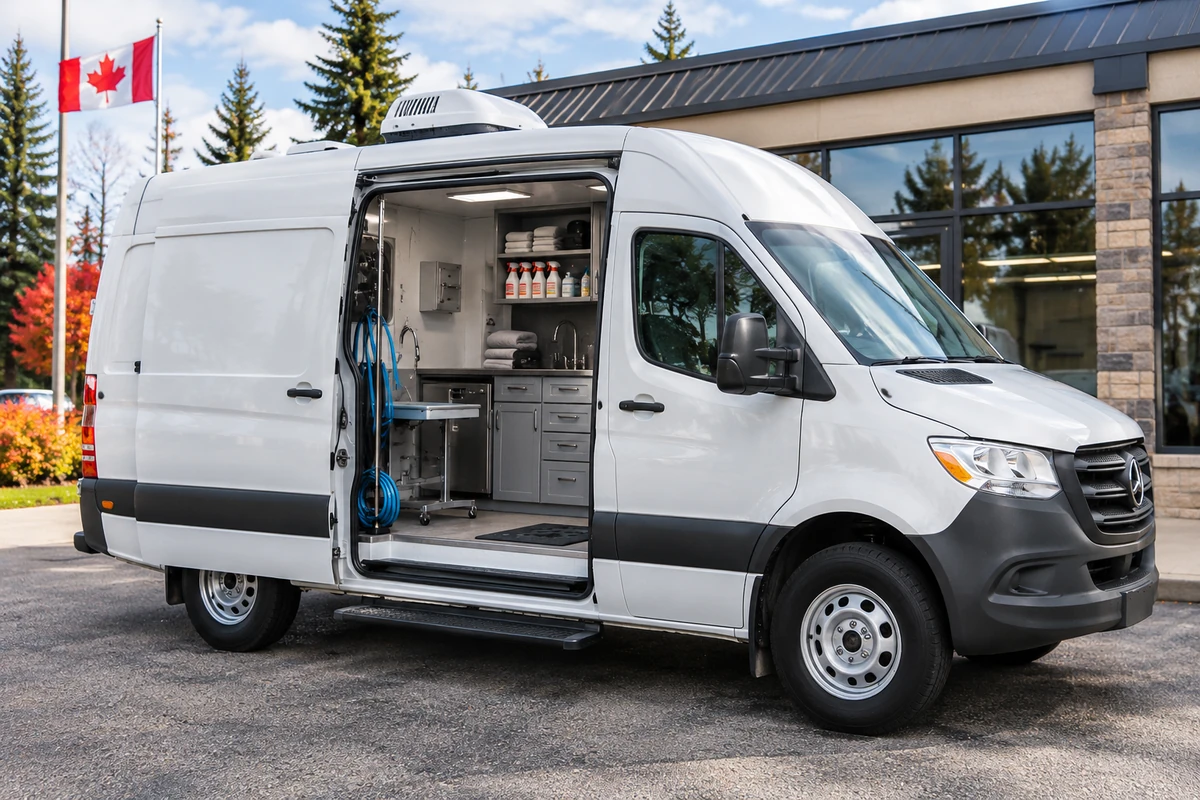
Starting a mobile business in Canada can offer entrepreneurs a flexible way to reach customers without relying on a traditional storefront. From mobile beauty salons and pet grooming services to food trucks, repair workshops, and specialized healthcare vehicles, mobile businesses can bring products and services directly to the people who need them.
However, launching a successful mobile operation requires more than purchasing a van and installing equipment. Business registration, municipal permits, commercial vehicle requirements, insurance, operating costs, and customer demand all influence whether the business will be financially sustainable.
This guide explains how to start a mobile business in Canada, covering business models, legal considerations, vehicle selection, conversion requirements, budgeting, and launch planning. It also highlights practical decisions that can help entrepreneurs avoid costly mistakes before investing in a specialized vehicle.
1. Choose the Right Mobile Business Model
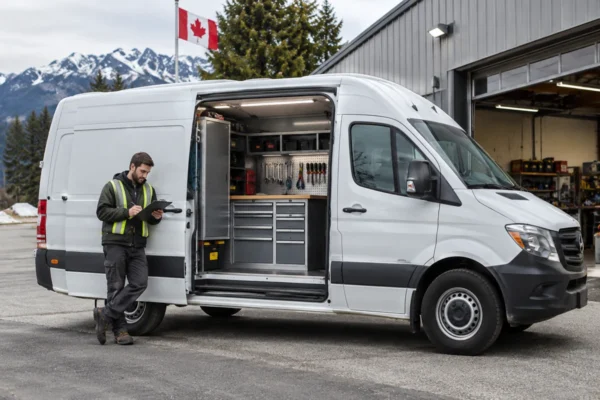
A mobile business delivers goods or services from a vehicle, trailer, or transportable workspace. Unlike a conventional storefront, the operating location can change according to customer demand, appointments, events, or contracts.
The first decision is not which vehicle to purchase. It is identifying the service, the customers who need it, and the conditions under which it can be delivered profitably.
Popular Mobile Business Ideas in Canada
| Business Type | Typical Vehicle | Important Considerations |
|---|---|---|
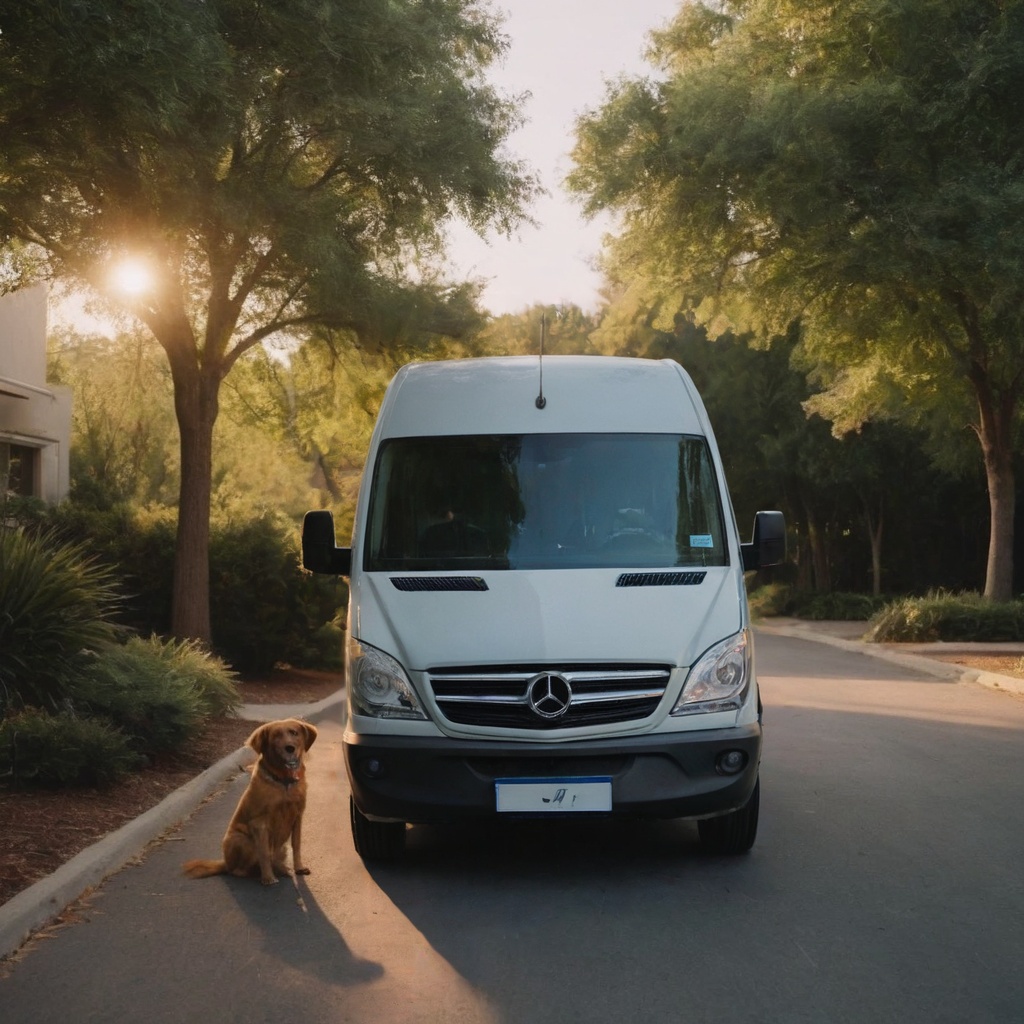
| Mobile pet grooming | High-roof van or trailer | Water, drainage, ventilation, temperature control |
| Mobile beauty and spa | Converted van or trailer | Privacy, sanitation, power, accessibility |
| Mobile food service | Food truck or concession trailer | Food safety, fire protection, refrigeration, location permits |
| Mobile automotive repair | Service van | Tool storage, electrical supply, waste handling |
| Mobile retail | Van or retail trailer | Merchandising, inventory security, approved vending locations |
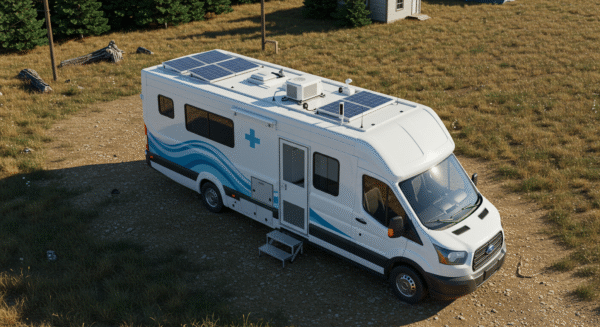
| Mobile healthcare | Specialized medical vehicle | Professional licensing, infection prevention, accessibility, medical systems |
| Mobile office or training centre | Van, bus, or custom trailer | Connectivity, climate control, seating, electrical capacity |
Evaluate each concept against your skills, target market, available capital, regulatory obligations, and the frequency with which customers will purchase the service.
2. Research Your Market and Validate Demand
Before committing to a vehicle conversion, determine whether enough customers will pay for your service at a price that covers your operating costs.
Identify Your Target Customers
- Define whether you serve residential customers, commercial clients, institutions, or event organizers.
- Estimate the geographic area you can serve without excessive travel time.
- Identify seasonal demand and weather-related operating restrictions.
- Review local competitors, their prices, booking availability, and customer feedback.
- Interview prospective customers and test demand through pilot bookings or expressions of interest.
A mobile grooming service may depend on repeat household appointments, while a mobile clinic may require organizational contracts and a substantially different approval process.
Calculate Your Service Area
Travel time reduces the number of customers you can serve each day. Calculate the complete time per appointment, including driving, parking, setup, service delivery, cleaning, and administrative work.
For example, a 60-minute service requiring 30 minutes of combined travel and setup occupies 90 minutes of capacity, not 60. This distinction directly affects pricing and scheduling.
3. Create a Mobile Business Plan
A useful business plan should explain how the company will acquire customers, deliver its service, manage risk, and generate sufficient cash flow.
Include These Essential Components
- Business concept: Services, target customers, and competitive advantages.
- Market analysis: Customer demand, competing providers, and geographic coverage.
- Vehicle strategy: Purchase, lease, rental, or purpose-built conversion.
- Operations: Staffing, scheduling, equipment, maintenance, and supply management.
- Compliance: Registration, permits, insurance, and applicable professional standards.
- Financial projections: Startup investment, monthly expenses, expected sales, and cash reserves.
Prepare conservative, expected, and optimistic sales scenarios. The conservative scenario is particularly important when assessing whether the business can survive slow months or unexpected repairs.
4. Register Your Mobile Business in Canada
Business registration requirements depend on the legal structure, province or territory, business name, and activities performed.
Choose a Business Structure
- Sole proprietorship: Generally straightforward to establish, but the owner is personally responsible for business liabilities.
- Partnership: Suitable for multiple owners, with liability and tax treatment depending on the partnership structure.
- Corporation: A separate legal entity with additional governance, reporting, and administrative obligations.
Register your business name where required and determine whether you need a Canada Revenue Agency business number or specific program accounts. Provincial registration and federal incorporation are different processes.
Consult the Government of Canada’s business startup guidance for the appropriate sequence.
Understand GST/HST Registration
For most businesses making taxable supplies, the small-supplier threshold is $30,000 in worldwide taxable revenues over a single calendar quarter or four consecutive calendar quarters. Registration and collection timing depend on when the threshold is exceeded. Exceptions and different rules apply to certain activities.
Some small suppliers may register voluntarily. Review the CRA GST/HST registration rules and any applicable provincial sales tax requirements.
5. Obtain Permits, Licences, and Approvals
Registering a business does not automatically authorize it to operate from a vehicle or serve customers at every location.
Depending on the business and municipality, additional requirements may include:
- Municipal business licences and mobile vending permissions.
- Commercial parking, zoning, and site-use approvals.
- Public health inspections and food-handling approvals.
- Fire inspections for cooking appliances or fuel systems.
- Trade qualifications or professional licences.
- Vehicle inspections and approvals for significant modifications.
- Wastewater, hazardous waste, or environmental controls.
Requirements may change when operating across municipal or provincial boundaries. Confirm the rules with each relevant authority before purchasing equipment or accepting bookings.
Canada’s BizPaL service can help identify permits and licences based on business activity and location.
6. Select the Right Vehicle for Your Mobile Business
The vehicle determines workspace dimensions, carrying capacity, customer accessibility, fuel consumption, and the complexity of the conversion.
Compare Common Vehicle Platforms
| Platform | Advantages | Limitations |
|---|---|---|
| Cargo van | Manoeuvrable, enclosed workspace, suitable for service equipment | Limited floor area and payload |
| Box truck | Larger working area and flexible interior layout | Greater parking and access requirements |
| Trailer | Can remain on-site while tow vehicle is used separately | Requires suitable towing capacity and parking space |
| Bus or large specialty vehicle | Suitable for multiple rooms or higher-capacity operations | Higher operating complexity and possible licensing implications |
Evaluate the Vehicle Before Purchase
- Confirm gross vehicle weight rating, axle ratings, and remaining payload after conversion.
- Measure usable interior height, door openings, and equipment clearances.
- Assess access for customers, staff, supplies, and emergency exits.
- Consider winter operation, insulation, heating, and water-system freeze protection.
- Verify serviceability, replacement-part availability, and commercial insurance eligibility.
- Check whether the completed vehicle requires additional inspection or registration changes.
Payload calculations must include installed equipment, water, fuel, batteries, tools, inventory, passengers, and other operating loads. A vehicle that looks spacious may still lack adequate legal carrying capacity.
7. Plan the Vehicle Conversion and Technical Systems
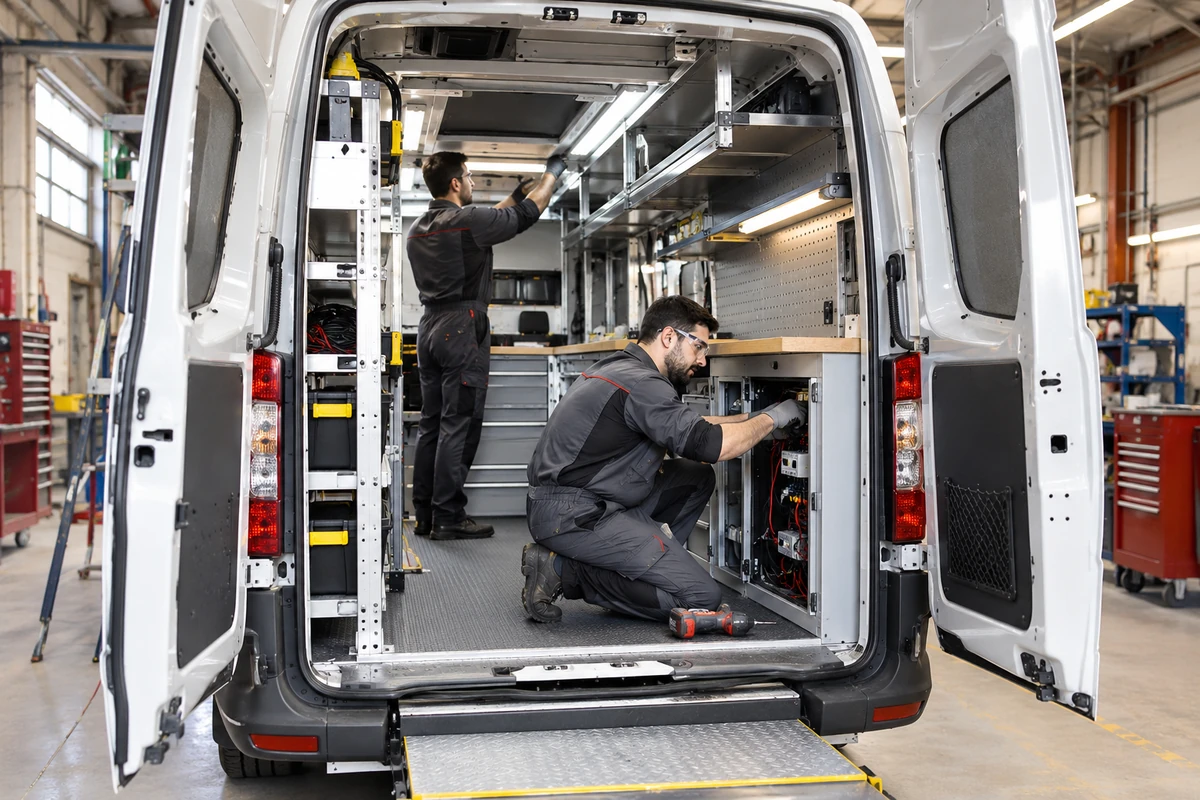
A reliable mobile workspace needs more than attractive cabinetry. Its electrical, mechanical, plumbing, structural, and safety systems must support the intended workload.
Electrical Power
List every electrical load and determine its operating power, startup demand, and daily energy consumption. Possible power sources include shore power, batteries with an inverter, generators, and solar charging.
For a simplified estimate, daily energy use in watt-hours equals equipment power in watts multiplied by operating hours. Include conversion losses, simultaneous loads, battery reserve, and charging limitations.
Heating, Cooling, and Ventilation
Canadian operating conditions may require heating, cooling, humidity management, and freeze protection. Ventilation must address occupants and any process-specific contaminants or moisture.
Water and Waste Systems
Where required, plan potable-water storage, pumps, water heating, drainage, wastewater capacity, and safe servicing procedures. Tanks and plumbing must be protected against movement and freezing.
Structural and Operational Safety
- Secure heavy equipment to appropriately engineered mounting points.
- Maintain safe axle loading and weight distribution.
- Use suitable electrical protection and professionally installed systems.
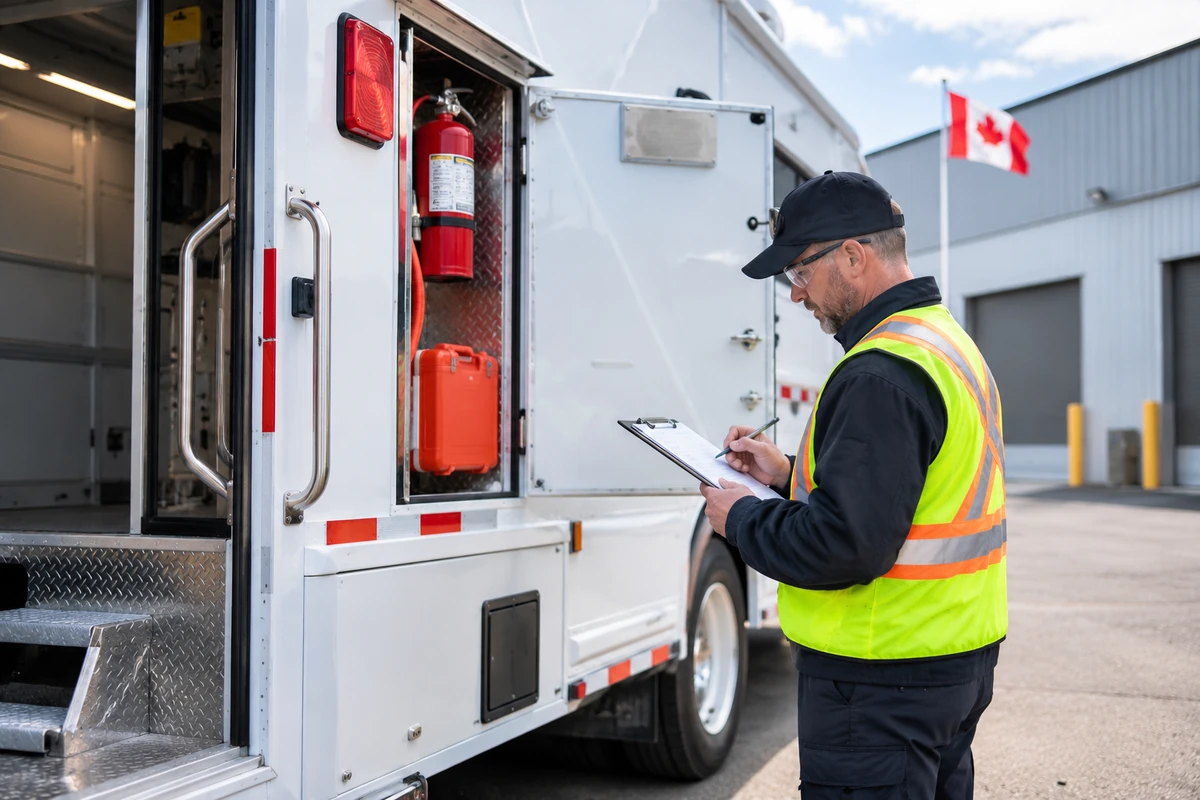
- Provide appropriate fire detection, extinguishing equipment, and emergency access.
- Use non-slip surfaces and durable, cleanable materials.
- Design maintenance access before installing permanent cabinetry.
Vehicle modifications can affect safety compliance, insurance, warranty coverage, and registration. Use qualified designers and installers where required, especially for electrical, gas, structural, and medical installations.
8. Estimate Startup Costs and Funding Needs
The startup budget should distinguish one-time capital expenditure from recurring operating expenses. Vehicle price alone is not a reliable estimate of total investment.
Typical Budget Categories
| Expense | What to Include |
|---|---|
| Vehicle | Purchase or lease costs, inspection, registration |
| Conversion | Design, structural work, electrical systems, plumbing, HVAC |
| Equipment | Trade-specific machinery, tools, fixtures, inventory |
| Compliance | Licences, inspections, professional advice, certifications |
| Insurance | Commercial auto, liability, property, and specialized coverage |
| Launch | Website, booking tools, marketing, training |
| Working capital | Fuel, wages, repairs, supplies, and reserves |
Request itemized quotations rather than relying on generic conversion prices. Costs vary substantially between a simple service van and a fully equipped clinical or food-service vehicle.
Calculate Break-Even Sales
A basic monthly break-even estimate is:
Break-even sales = Monthly fixed costs ÷ Contribution margin ratio
For example, if fixed costs are $6,000 per month and variable expenses represent 40% of sales, the contribution margin is 60%. Break-even revenue is approximately $10,000 per month, before considering taxes and any owner compensation not already included in fixed costs.
Also calculate cash requirements for seasonal slowdowns, equipment replacement, loan payments, and unexpected vehicle downtime.
9. Arrange Insurance and Risk Management
Personal vehicle insurance may not cover commercial activities or specialized equipment. Discuss the completed conversion and intended operations with an insurer experienced in commercial mobile businesses.
Coverage to evaluate includes commercial automobile insurance, commercial general liability, tools and equipment, professional liability where applicable, product liability, business interruption, and employee-related coverage.
Prepare written procedures for vehicle inspections, incident reporting, equipment maintenance, customer safety, and emergency response. Document training and retain service records.
10. Set Prices and Organize Daily Operations
Mobile pricing must account for the time and cost of reaching customers, not just the service itself.
Build a Sustainable Pricing Model
- Calculate labour and material costs per appointment.
- Include travel time, mileage, parking, and setup.
- Allocate vehicle financing, insurance, maintenance, and administration.
- Establish service zones and minimum booking values where appropriate.
- Consider deposits, cancellation policies, and recurring service agreements.
Use scheduling software to group appointments geographically and reduce unproductive travel. Maintain digital records of invoices, customer communications, equipment inspections, and maintenance.
Protect customer information through appropriate access controls, secure devices, and privacy procedures. Businesses handling health information may face additional provincial requirements.
11. Market Your Mobile Business and Acquire Customers
Successful marketing explains what the business provides, where it operates, and why customers should trust it.
Establish a Local Digital Presence
- Create a mobile-friendly website with clear service descriptions and coverage areas.
- Set up an eligible Google Business Profile according to its service-area business rules.
- Publish accurate contact information, booking instructions, and business hours.
- Use original photographs of the actual vehicle, equipment, and completed work.
- Request authentic customer reviews without offering misleading incentives.
- Build partnerships with complementary businesses and local organizations.
Track inquiries, conversion rates, customer acquisition costs, repeat bookings, and average revenue per appointment. These measures are more useful than website traffic alone.
12. Test the Vehicle Before Launch
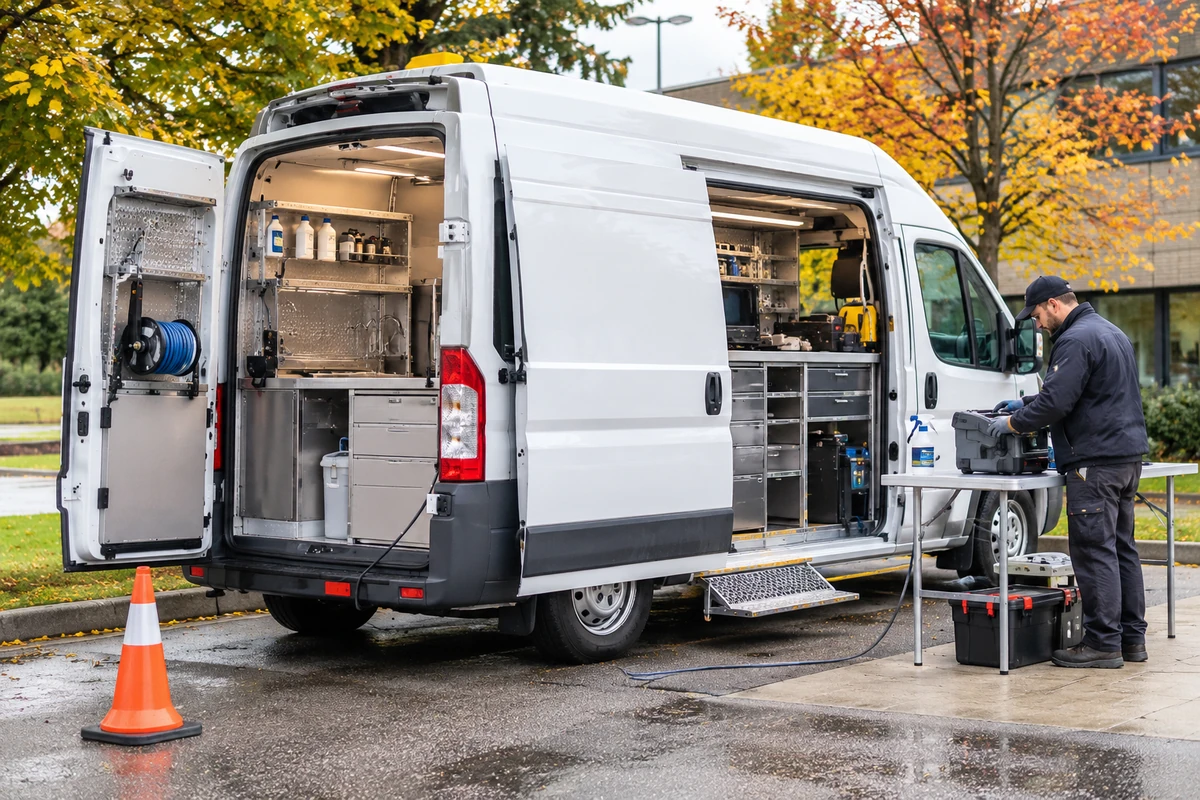
Before accepting full commercial workloads, test the completed vehicle under realistic operating conditions.
Pre-Launch Testing Checklist
- Confirm required registrations, permits, and insurance are active.
- Verify loaded vehicle and axle weights.
- Test electrical systems under expected simultaneous loads.
- Check heating, cooling, ventilation, and water systems.
- Inspect equipment restraints, doors, steps, and emergency exits.
- Test parking, customer access, setup, and shutdown procedures.
- Confirm sanitation and waste-handling arrangements.
- Complete a simulated customer appointment from arrival to departure.
- Train staff and document maintenance responsibilities.
A pilot launch with a limited number of customers can reveal workflow problems before they affect a larger customer base.
13. Common Mistakes to Avoid
Several preventable decisions can undermine an otherwise promising mobile business.
- Buying a vehicle too early: Validate demand and technical requirements before selecting a platform.
- Underestimating conversion weight: Design around legal payload and axle limits.
- Ignoring local regulations: Confirm operating permissions for each service area.
- Underpricing travel: Include non-billable time in service pricing.
- Overlooking maintenance: Vehicle downtime can eliminate revenue while fixed costs continue.
- Insufficient working capital: Reserve funds for seasonal demand and unexpected repairs.
- Overcomplicated layouts: Prioritize safe, efficient daily workflows over unnecessary features.
14. A Practical 90-Day Mobile Business Launch Plan
| Period | Priorities | Expected Outcome |
|---|---|---|
| Days 1–30 | Market research, customer validation, business model, initial budget, regulatory research | Evidence-based business concept |
| Days 31–60 | Registration, permit applications, financing, vehicle specifications, conversion quotations | Approved investment and implementation plan |
| Days 61–90 | Vehicle preparation where feasible, insurance, operating procedures, website, pilot testing | Launch readiness assessment |
This timeline is illustrative. Complex conversions, professional licensing, vehicle certification, and municipal approvals may require substantially more than 90 days. Do not schedule a commercial launch until all required approvals and inspections are complete.
For businesses requiring a purpose-built workspace, engaging an experienced specialty vehicle designer early can help coordinate layout, payload, electrical demand, climate control, and operational safety before construction begins.
Most mobile businesses must meet applicable registration, licensing, and operating requirements. These depend on the province, municipality, service type, and operating locations. Food trucks, mobile healthcare providers, and certain personal services may require additional inspections or professional approvals.
Startup costs vary considerably depending on the vehicle, conversion complexity, equipment, permits, and insurance. A business using a lightly equipped service van may require substantially less investment than a purpose-built food truck or medical vehicle. Obtain itemized quotations and maintain sufficient working capital.
Yes, some businesses can operate from an ordinary commercial van with suitable equipment and storage. However, activities requiring plumbing, specialized electrical systems, cooking equipment, or customer treatment areas may require extensive modifications and additional approvals.
Generally, businesses should arrange insurance appropriate to commercial vehicle use. Personal automobile policies may exclude business activities or specialized equipment. Coverage requirements depend on the vehicle, business operations, province, and insurer.
Potentially, but operating across provincial boundaries may introduce additional registration, licensing, insurance, taxation, and commercial vehicle requirements. Verify the rules in every jurisdiction where services will be provided.
The best choice depends on local demand, available skills, startup capital, competition, and regulatory complexity. Businesses with recurring appointments and manageable equipment requirements can be attractive, but profitability must be validated through market research and realistic financial projections.
Final Thoughts
Starting a mobile business in Canada requires careful coordination between business planning, regulatory compliance, vehicle selection, and day-to-day operations. The strongest approach is to validate customer demand first, establish a realistic budget, and confirm technical and legal requirements before investing in a vehicle conversion.
Whether the business involves mobile retail, professional services, or a specialized healthcare operation, a well-designed vehicle can improve workflow efficiency, reliability, and customer experience.
For entrepreneurs and organizations considering a purpose-built mobile workspace, RUNASO provides a starting point for exploring specialized mobile vehicle solutions and discussing project-specific requirements.
Related Products

Mobile Marketing Vehicles

Mobile Library Vehicles

Mobile Schools

Mobile Veterinary Vehicles

Mobile Food Vehicles

Mobile Spa Vehicles

Mobile Lab Vehicles

Mobile Imaging Vehicles

Commercial Educational Vehicles



Tags: Business Vehicle Design, Commercial Vehicle Conversion, Mobile Business Canada, Mobile Business Permits, Mobile Business Planning, Mobile Business Startup, Mobile Entrepreneurship, Specialty Vehicles